Physical Address
304 North Cardinal St.
Dorchester Center, MA 02124
Physical Address
304 North Cardinal St.
Dorchester Center, MA 02124

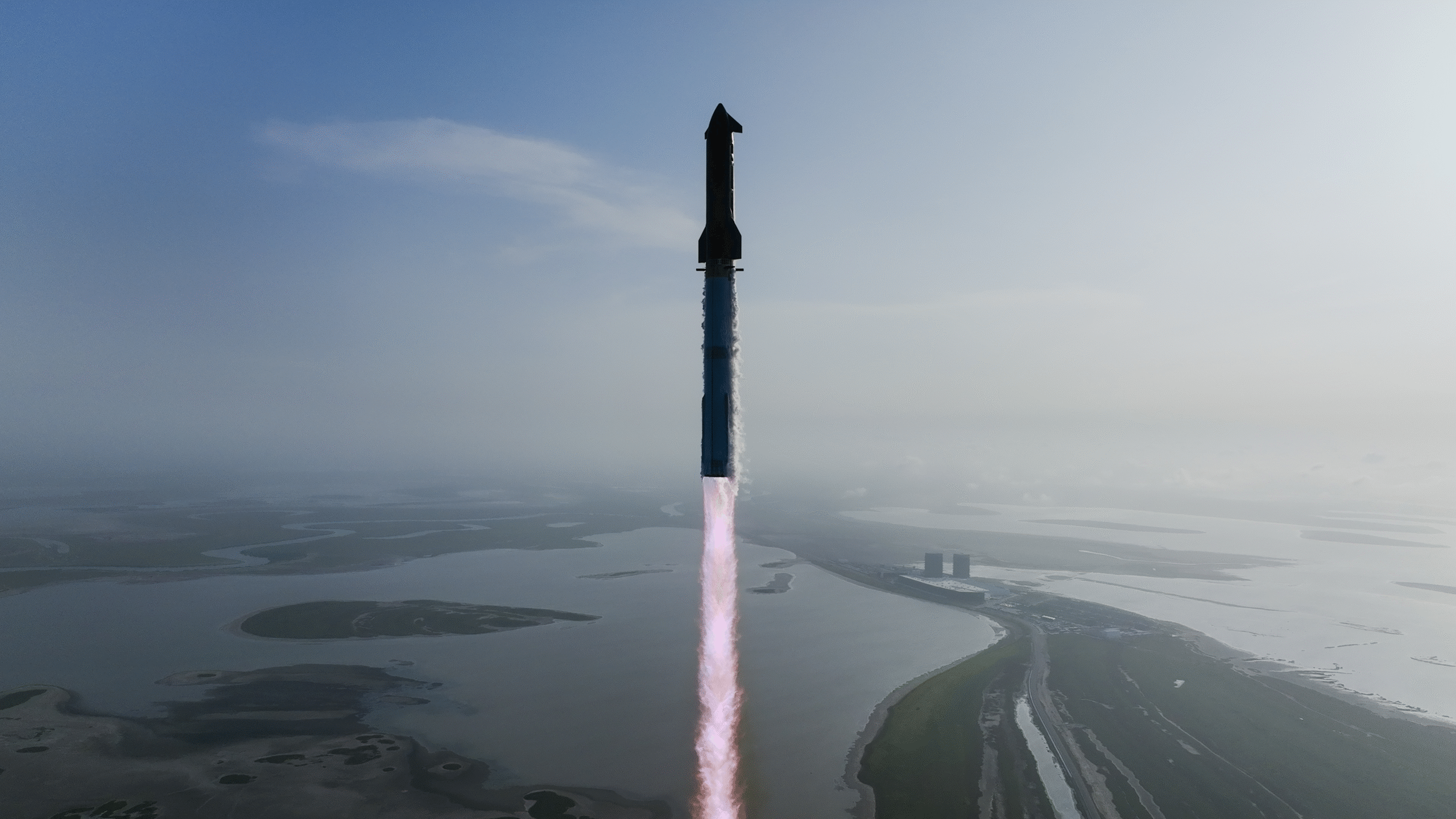
SpaceX Starship flight 9 launch failed, SpaceX saw its Starship system explode on Tuesday in a test flight, the third consecutive setback for Elon Musk’s rocket maker.
The Starship system was developed to transport people and equipment around Earth, and to the Moon, and someday to Mars.
The FAA said in a statement there were “no reports of public injury or damage to public property.”
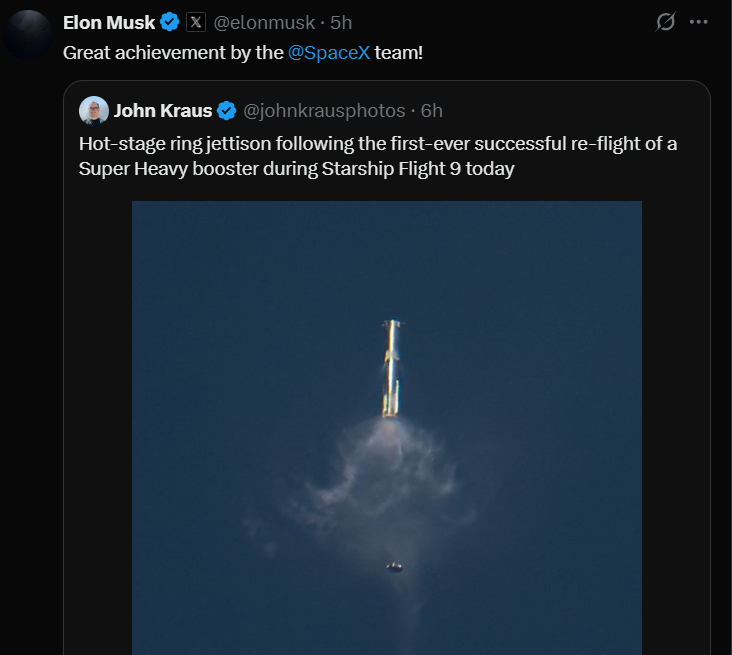
Musk, who is CEO of SpaceX and the world’s wealthiest person, wrote on X:“Starship made it to the scheduled ship engine cutoff, so big improvement over last flight! Also no significant loss of heat shield tiles during ascent.”
The Federal Aviation Administration said in an emailed statement on Tuesday that the agency, “is aware an anomaly occurred during the SpaceX Starship Flight 9 mission that launched on Tuesday, May 27,
from Starbase, Texas, and is actively working with SpaceX on the event. The agency said there were “no reports of public injury or damage to public property at this time.”
SpaceX was previously restricted to five Starship launches per year from its spaceport in Texas but gained a key approval from the FAA to increase its launch cadence earlier this month.
SpaceX statment about the SpaceX Starship flight 9 launch “With a test like this, success comes from what we learn, and today’s test will help us improve Starship’s reliability as SpaceX seeks to make life multiplanetary,” the company wrote in a post on X.
The Flight 9 mission aimed to test several key systems, including the spacecraft’s reentry capabilities and the performance of a reused Super Heavy booster, which successfully completed its ascent burn and returned to the launch site. The Super Heavy, powered by 33 Raptor engines, is the first stage of the 403-foot-tall Starship system, with the upper stage, or “Ship,” powered by six Raptor engines. While the booster performed reliably, the upper stage suffered a propellant leak, leading to a loss of attitude control and a rapid unscheduled disassembly—a term SpaceX uses for an explosion. The spacecraft broke apart during reentry, scattering debris over the Indian Ocean, though SpaceX confirmed no toxic materials were among the debris.

Read more about Tech & Startups
