Physical Address
304 North Cardinal St.
Dorchester Center, MA 02124
Physical Address
304 North Cardinal St.
Dorchester Center, MA 02124

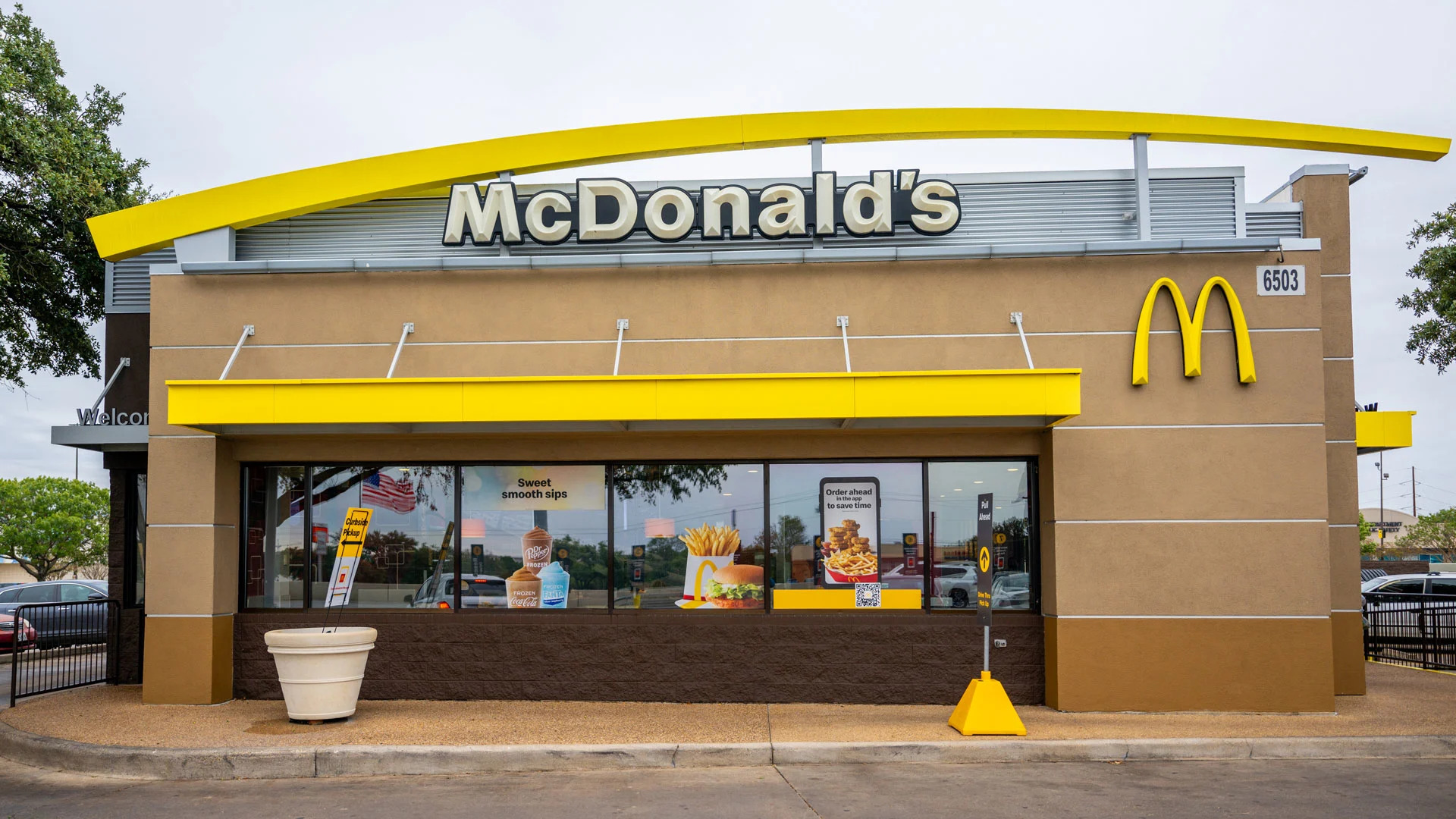
It began like all silent revolutions do—without warning. No flashy commercial. No celebrity tease. Just a quiet shift that rewrote 50 years of breakfast identity.
This July, McDonald’s did what it hadn’t dared to in half a century: it brought heat to the Egg McMuffin. For the first time since its creation in 1972, the golden standard of McDonald’s breakfast lineup got its first real flavor evolution. The Spicy Egg McMuffin, Spicy Sausage McMuffin, and Spicy Sausage McMuffin with Egg are now rolling out nationwide. Built around a brand-new Spicy Pepper Sauce, these sandwiches didn’t just arrive hot—they arrived as a message. Even icons can evolve. And sometimes, they must.
But the heat was only part of the story.
Two days later, McDonald’s answered the internet’s most emotional craving with four words: “The Snack Wrap is back.” Reimagined with their McCrispy chicken strip, shredded lettuce, cheese, and your choice of Ranch or the new Spicy Pepper Sauce, the legendary Snack Wrap is returning to all 13,600 U.S. locations starting July 10. It’s not just a menu item. It’s the memory of being seventeen and broke. It’s post-class fuel, mid-shift comfort, and late-night laughter on a drive-thru run. It was never just chicken—it was reassurance wrapped in warm tortilla.
This announcement wasn’t about food. It was about return.
The timing couldn’t be more precise—or more psychological. 74% of Americans now regularly consume spicy food, and the appetite is only intensifying. 78% of Gen Z says “spicy” makes them more likely to buy. In the same breath, the Snack Wrap’s disappearance became a cultural ache. TikToks trended. Petitions circled. Fans begged.
And McDonald’s waited.
Now, both cravings—heat and history—collide.
One builds anticipation. The other triggers emotional recall. Together, they shape subconscious loyalty far deeper than any coupon or jingle ever could.
McDonald’s isn’t just dropping products. It’s curating reflections. The Spicy McMuffin isn’t about novelty—it’s about permission. It tells the world, “Even if you’ve stayed the same for decades, it’s okay to grow.”
The Snack Wrap’s return isn’t just fan service—it’s a reconnection. A statement that the world may move on, but not every comfort has to disappear forever. And in a culture where attention flickers and menus change daily, this move roots McDonald’s deeper—into routine, into memory, into identity.
This isn’t fast food. It’s fast familiarity.
Limited-time releases like these drive urgency, sure. But what they really drive is emotional data. McDonald’s watches not just how many Spicy McMuffins sell—but who returns. They track reorders, social sentiment, review tone. They study the feeling, not just the flavor. That’s how a breakfast sandwich becomes an indicator of brand intimacy.
These moments also create subconscious rituals:
And that’s the point. This isn’t marketing. This is memory sculpting.
Let’s decode it, briefly:
Every bite is more than flavor. It’s language. Emotional language. And right now, McDonald’s is speaking it fluently.
After 50 years of breakfast stability, McDonald’s re-entered the conversation not with noise, but narrative.
The Spicy Egg McMuffin is more than a sandwich—it’s legacy rewritten. A reminder that even the most sacred brands are still alive. Still breathing. Still capable of surprise.
The Snack Wrap’s resurrection? It isn’t a marketing ploy. It’s a cultural reset. An emotional call-back to a younger self.
These aren’t LTOs (Limited Time Offers). These are LTRs—Long Term Resonance. Because when a customer says, “I remember this,” what they’re really saying is, “I remember who I was.”
That’s what McDonald’s just served.
In a world rushing toward the next trend, McDonald’s made the boldest move possible—returning to what people loved, and adding only what people were ready to receive.
So whether you’re biting into the warmth of something old or the fire of something new, remember:
You’re not just eating.
You’re remembering.
You’re evolving.
And in that quiet moment between the first bite and the last—maybe you’re not just tasting food.
Maybe you’re tasting clarity.
This isn’t just flavor innovation. It’s economic signaling. McDonald’s, with over $25 billion in annual U.S. revenue, doesn’t make a move unless the consumer data and market pressures demand it. By reintroducing a legacy item and modifying a flagship breakfast product, the brand is repositioning itself for a post-pandemic emotional economy, where identity and nostalgia drive more purchases than price alone.
These updates ripple through franchise supply chains, labor planning, and food manufacturing logistics. Analysts expect this rollout to boost Q3 traffic, especially in early hours—helping stabilize sales in a competitive, saturated QSR market. For franchisees, it’s a chance to recapture lapsed customers. For investors, it’s a sign that McDonald’s still owns the emotional rhythm of its market.
