Physical Address
304 North Cardinal St.
Dorchester Center, MA 02124
Physical Address
304 North Cardinal St.
Dorchester Center, MA 02124

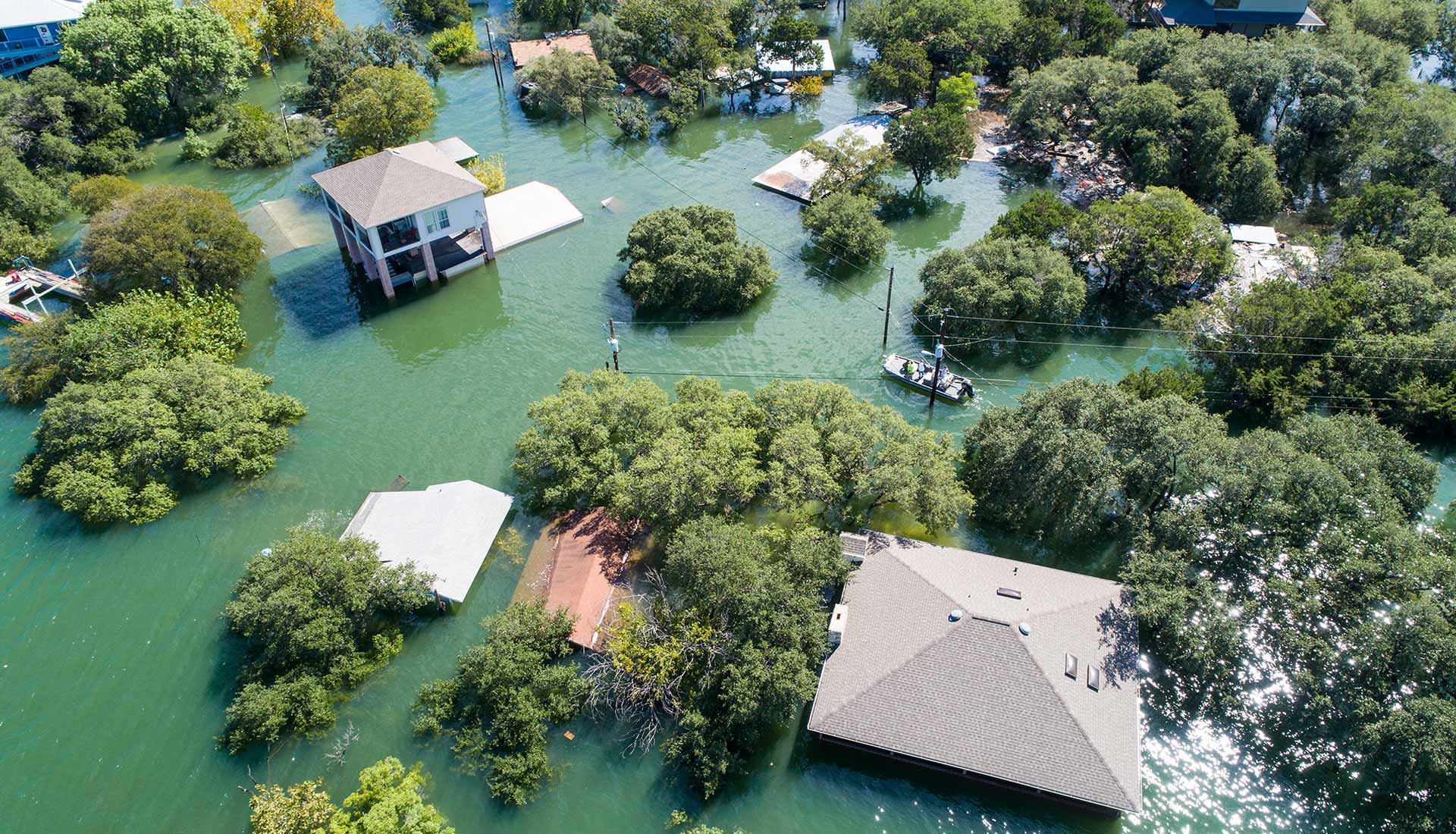
The Texas flood, It began quietly, as tragedy often does. The sky over Texas on the Fourth of July weekend carried the weight of distant clouds, but nothing that warned of the devastation to come. Families in Hill Country gathered around grills and laughter, thinking the river was still just a river. But within the span of one horrifying hour, the Guadalupe transformed, rising more than 20 to 26 feet, according to the National Weather Service. The river burst through communities with a force unmatched in recent decades, stripping the land bare and leaving hearts emptier still.
Over 108 lives were lost, including at least 28 children from summer camps like Camp Mystic in Hunt. More than 2,000 homes were destroyed, swept away by a wall of water and mud. Entire neighborhoods were left in ruins. As of July 8, dozens remain missing, and authorities continue search and recovery efforts across Kerr County and surrounding regions.
These weren’t just statistics. These were parents. Children. Veterans. Local artists. Teachers. Small business owners who’d spent decades building something they could pass down, now left with only memory. The grief hanging over Texas is not measurable in dollars, but in absence. And it will echo for years.
To every family who lost someone, to every person now without a roof, a shop, or a sense of normal, our hearts, our words, and our collective prayers are with you. Your pain is real, and it is shared.
In the shadow of that human loss, a secondary disaster unfolded, an economic one. The Texas flood triggered what analysts at AccuWeather estimate to be $18 to $22 billion in total economic damages. This includes destroyed infrastructure, lost business revenue, uninsured home losses, transportation collapse, and disruptions in tourism and agriculture, making it one of the costliest regional floods in recent history.
Texas, often hailed as a business-friendly powerhouse, was caught unprepared. Entire communities built around tourism, agriculture, hospitality, and small family-run ventures were washed out in minutes. Many of these businesses had no flood insurance, not out of neglect, but because their properties were classified as “low-risk” under outdated FEMA flood zone maps. As a result, hundreds of business owners now face rebuilding from scratch, with no financial protection.
Supply chains froze as roads and powerlines collapsed. Thousands of livestock were lost in rural areas. Retailers and restaurants saw entire inventories float away. While major chains like Walmart, H-E-B, and Home Depot quickly deployed donations and logistical support, the real burden has fallen on the state’s small business backbone, those without reserve capital, contingency plans, or a Plan B.
Economic experts warn that Texas’ regional GDP may shrink by $3 to $4 billion this fiscal year due to compounding effects: displaced labor, reduced productivity, halted tourism, and increasing insurance claim backlogs. While emergency construction may temporarily lift employment, long-term economic recovery will test every level of local governance and small enterprise resilience.
According to federal climate assessments, the rainfall that devastated Central Texas was made 7 to 20% more intense by climate change. The atmosphere’s capacity to hold water has increased, and with it, the likelihood of once-rare floods becoming routine. The July 2025 flood was not an outlier—it was a harbinger.
Yet the disaster was made worse by infrastructure failures. Key Texas flood gauges were offline due to budget constraints. Cell alerts didn’t reach rural residents in time. Sirens didn’t activate in some areas. In a moment where every second mattered, silence became deadly.
This is no longer just a weather event, it’s a business vulnerability. It’s an infrastructure breakdown. It’s a signal that economic systems must now be designed with climate volatility in mind. “Once-in-a-century” events are becoming once-a-decade realities, and Texas, long the emblem of deregulated growth, now faces the cost of that philosophy under pressure.
Business resilience must evolve. Urban planning must anticipate high-water patterns. Insurance models must be updated to reflect modern risk zones. Texas is strong, but strength without foresight is fragile.
Even so, something beautiful remains: the human spirit. Communities have begun to rebuild not just their homes, but their faith. Volunteers have arrived by the thousands. Churches became shelters. Neighbors became heroes. It’s this collective force, beyond economics, that may carry Texas forward: one nail, one loan, one prayer at a time.
If you or someone you know has been impacted by the Central Texas flood, here are verified support services offering shelter, aid, and financial relief:
Readmore in Xfynix
