Physical Address
304 North Cardinal St.
Dorchester Center, MA 02124
Physical Address
304 North Cardinal St.
Dorchester Center, MA 02124

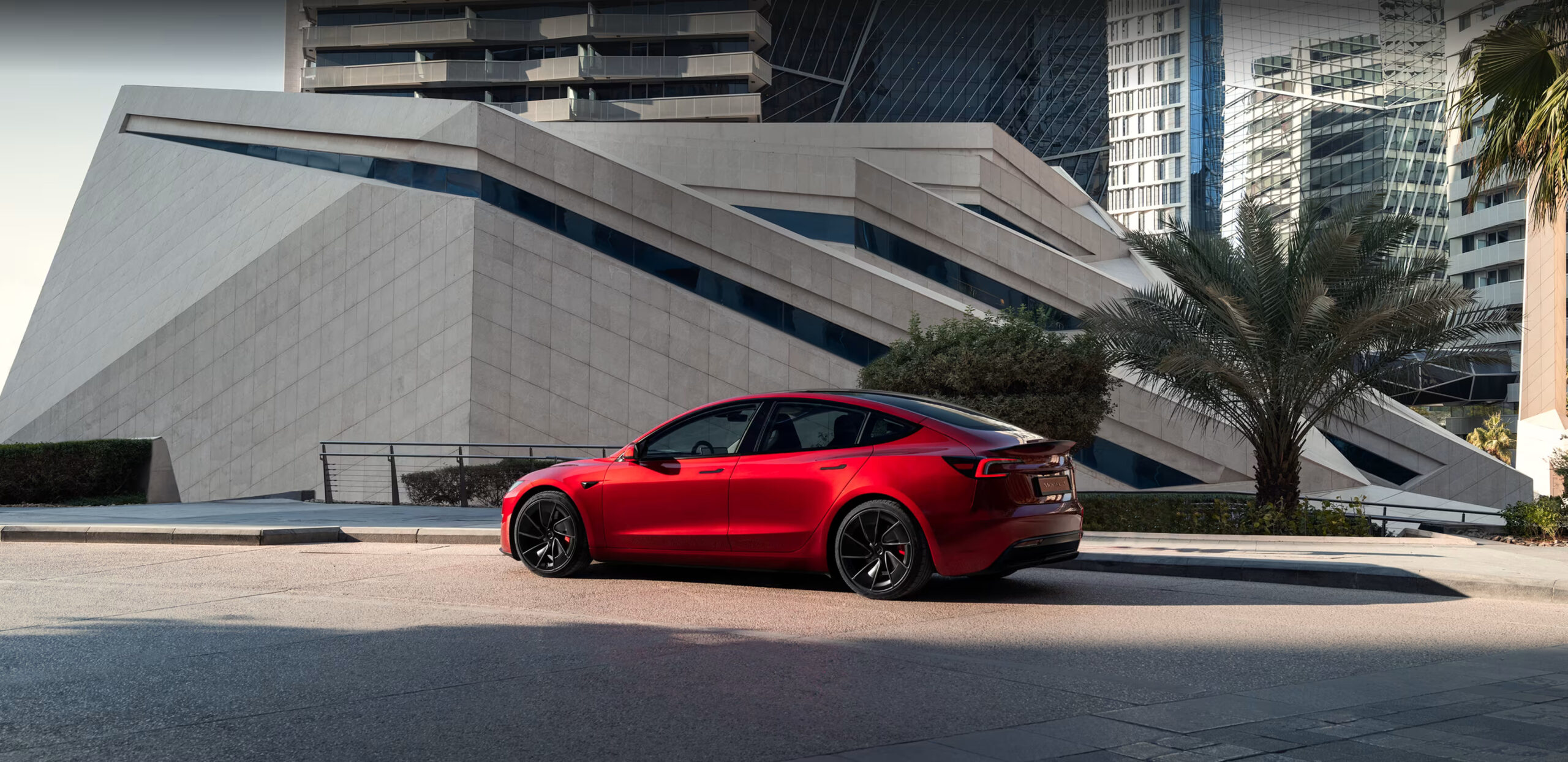
Are Electric Cars Really Green? “You were told your electric car was a silent hero. But what if it’s just outsourcing its emissions?”
Electric vehicles (EVs) boast zero tailpipe emissions and are praised as a cleaner alternative to petrol cars. Governments across the U.S., Europe, and India are offering big incentives—and consumers feel that silent hum equals clean conscience.
Battery mining is brutal. Lithium, cobalt, and nickel extraction devastates ecosystems, depletes water, and often involves child labor—especially in Congo’s cobalt-rich mines .
Manufacturing footprint: Producing a lithium-ion battery for an EV can emit 56–494 kg CO₂ per kWh—some batteries alone produce more emissions than a new ICE car before they’ve even rolled off the line .
Grid reality: In regions powered by coal, like parts of China or India, EVs charge on dirty electricity—making them “indirect polluters.” True emissions reductions only appear when the grid is clean .
Studies from the ICCT and IEA show that despite initial manufacturing emissions, EVs typically produce 40–50% less CO₂ over their lifetime compared to ICE vehicles in Europe.
But that break-even point comes after 70,000 km—a hurdle many won’t hit. In India and China, EVs offer ~20–40% lifetime carbon savings—improving as power sources decarbonize.
“EV” marketing leans on emotion.
Picking an EV can feel like doing the right thing, regardless of the broader impact. But this halo masks the realities of raw sourcing or grid emissions.
“If clean driving means hidden dirty work, what other truths are we ignoring?”
You don’t have to reject EVs—but ask questions: Who mined your battery? How clean is your electricity?
Only then does “green” become more than a buzzword.
Sources: ICCT, IEA, Amnesty, Earth.org, Wikipedia, ScienceDirect.
Read more about Technology
