Physical Address
304 North Cardinal St.
Dorchester Center, MA 02124
Physical Address
304 North Cardinal St.
Dorchester Center, MA 02124

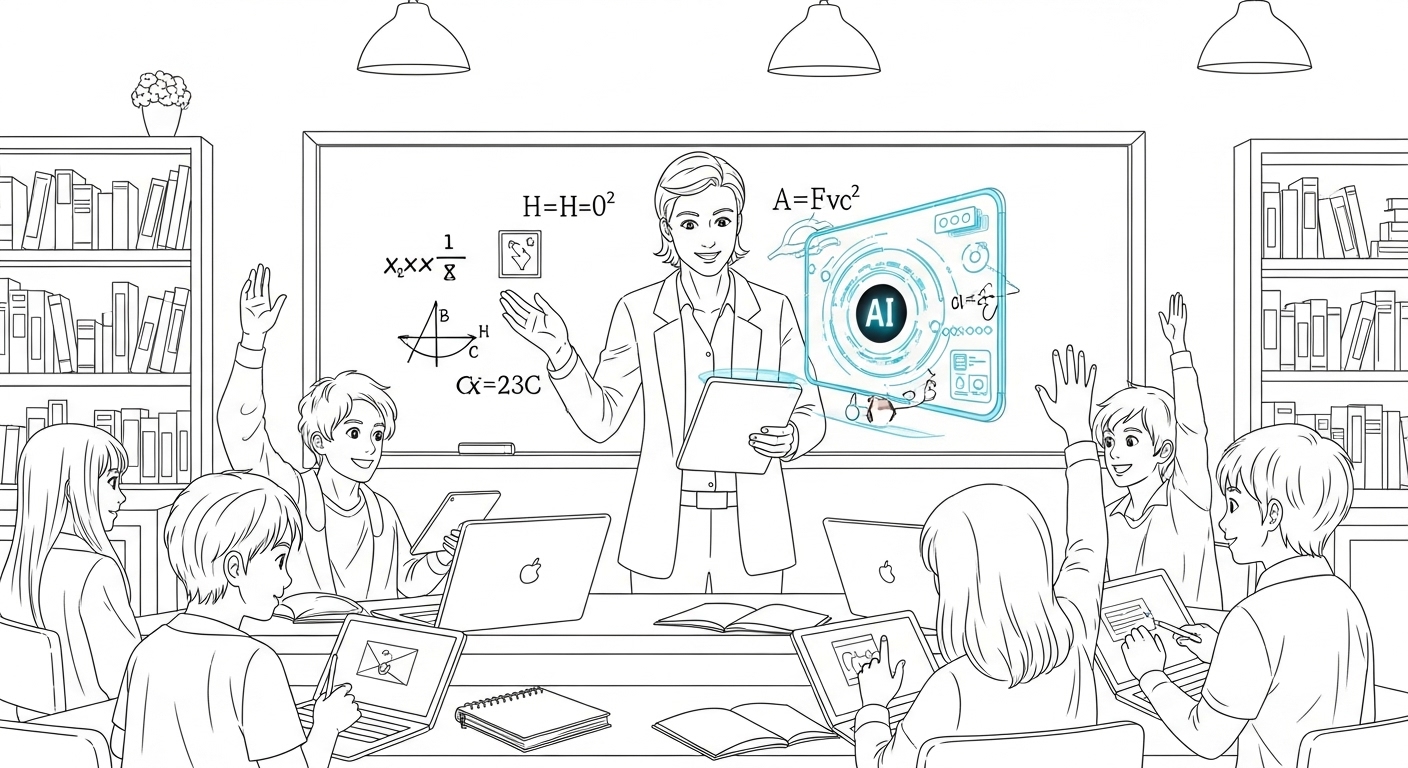
From group essays to individual instruction, teaching methods are evolving fast—and AI is at the heart of it. Here’s what new data and real classrooms reveal about the future unfolding right now.
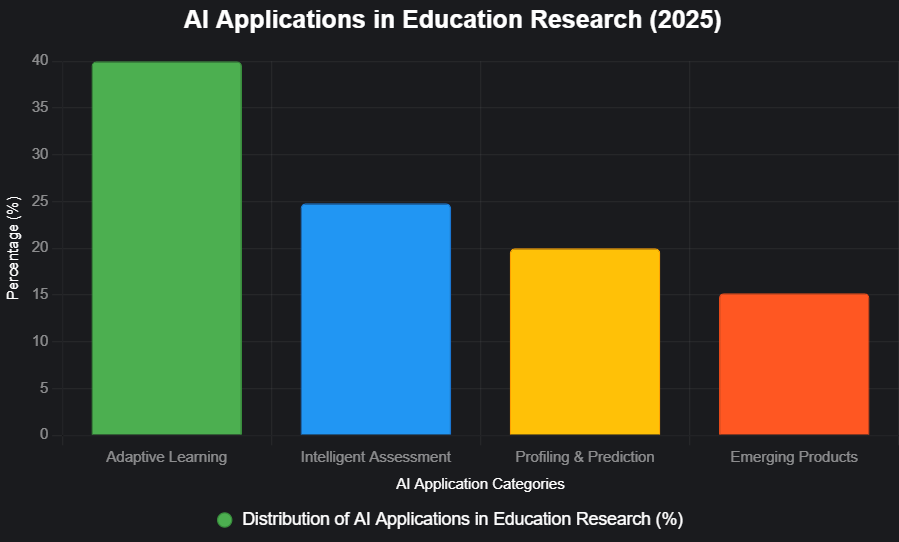
A rigorous Harvard study with nearly 200 undergraduates found that students using a customized AI tutor learned more than twice as much, in less time, compared to traditional in-class instruction.
The key? Personalized, scaffolded guidance and real-time feedback helped close knowledge gaps and boost engagement. Researchers emphasized that AI tutors are not replacements for teachers, but powerful tools that amplify human-led learning, especially for new or challenging material.
At Harvard, a physics course found that students using an AI tutor doubled their learning gains compared to traditional methods. One Reddit user noted:
“Students who were given access to an AI tutor learned more than twice as much in less time…” This isn’t hypothetical—it’s data-backed proof that personalized AI assistance works.
These blends of AI and human teaching are outperforming traditional formats.
Higher ed is taking the lead on responsible AI adoption.
This isn’t the future‑talk, it’s a revolution happening now.
| Teaching Approach | Traditional (2020 and before) | AI‑Enhanced (2025) |
| Lesson Planning | Teacher-created, time-consuming | AI-assisted, faster, and customizable |
| Grading | Manual and slow | Automated, immediate feedback |
| Student Help | Group instruction, limited support | Personalized AI tutoring |
| Class Settings | Fixed classrooms | Studio-style with AI support |
| Skill Focus | Standardized tests and memorization | Critical thinking, creativity, AI literacy |
Now, educators spend quality time on mentorship, not admin.
AI isn’t perfect. Up to 65% of teachers worry about plagiarism, 62% fear a drop in human interaction, and 30% question job impact. Plus, 96% of K–12 teachers say they’ve had no AI training.
Training and clear policies aren’t optional, they’re essential.
UK Education Secretary Peter Kyle, who is dyslexic, emphasized AI’s ability to offer personalized literacy help for dyslexic students—something that stretched human resources couldn’t do.
AI in this context isn’t a replacement, it’s a multiplier for equity.
AI tools are making classrooms more efficient, inclusive, and personalized. The key isn’t replacing teachers, it’s empowering them to guide deeper learning.
But the system must address real concerns: academic integrity, training gaps, and equitable access.
If done right, AI’s integration isn’t just improvement—it’s transformation.
AI is used in education to personalize learning experiences, automate grading, offer intelligent tutoring, and provide instant feedback. For instance, AI can adjust the difficulty of quizzes based on student performance or explain concepts in multiple ways based on a learner’s style.
The main benefits include personalized learning paths, improved engagement, faster grading and feedback for teachers, and enhanced accessibility for students with disabilities. AI can also analyze performance data to help educators identify where students struggle.
Personalized Learning: Tailors instruction to each student’s needs.
24/7 Assistance: AI tutors are available anytime.
Efficiency: Automates administrative tasks.
Data Insights: Tracks student progress for better decisions.
Scalability: One AI tool can support thousands of learners globally.
Students can use AI for summarizing textbooks, generating quizzes, receiving feedback on essays, and even learning new languages. Apps like ChatGPT, Grammarly, and AI flashcard generators improve study efficiency and comprehension.
In classrooms, AI helps by delivering real-time feedback, adapting lessons based on student understanding, and supporting hybrid or remote learning setups. Some schools use AI chatbots for answering FAQs, while others employ intelligent tutoring systems.
AI in class refers to the integration of artificial intelligence tools and systems that support both teaching and learning. It includes adaptive learning platforms, AI teaching assistants, and classroom management tools powered by machine learning.
AI helps students by simplifying complex topics, improving writing, boosting research, and offering extra help when teachers aren’t available. It also enables time management through smart scheduling tools and personalized study plans.
To use AI responsibly, educators must ensure transparency (students should know they’re interacting with AI), avoid over-reliance, maintain data privacy, and always pair AI tools with human oversight. Teachers should guide students on ethical use, such as not using AI to cheat or plagiarize.
By: Khalid Sultan | Xfynix Media
