Physical Address
304 North Cardinal St.
Dorchester Center, MA 02124
Physical Address
304 North Cardinal St.
Dorchester Center, MA 02124

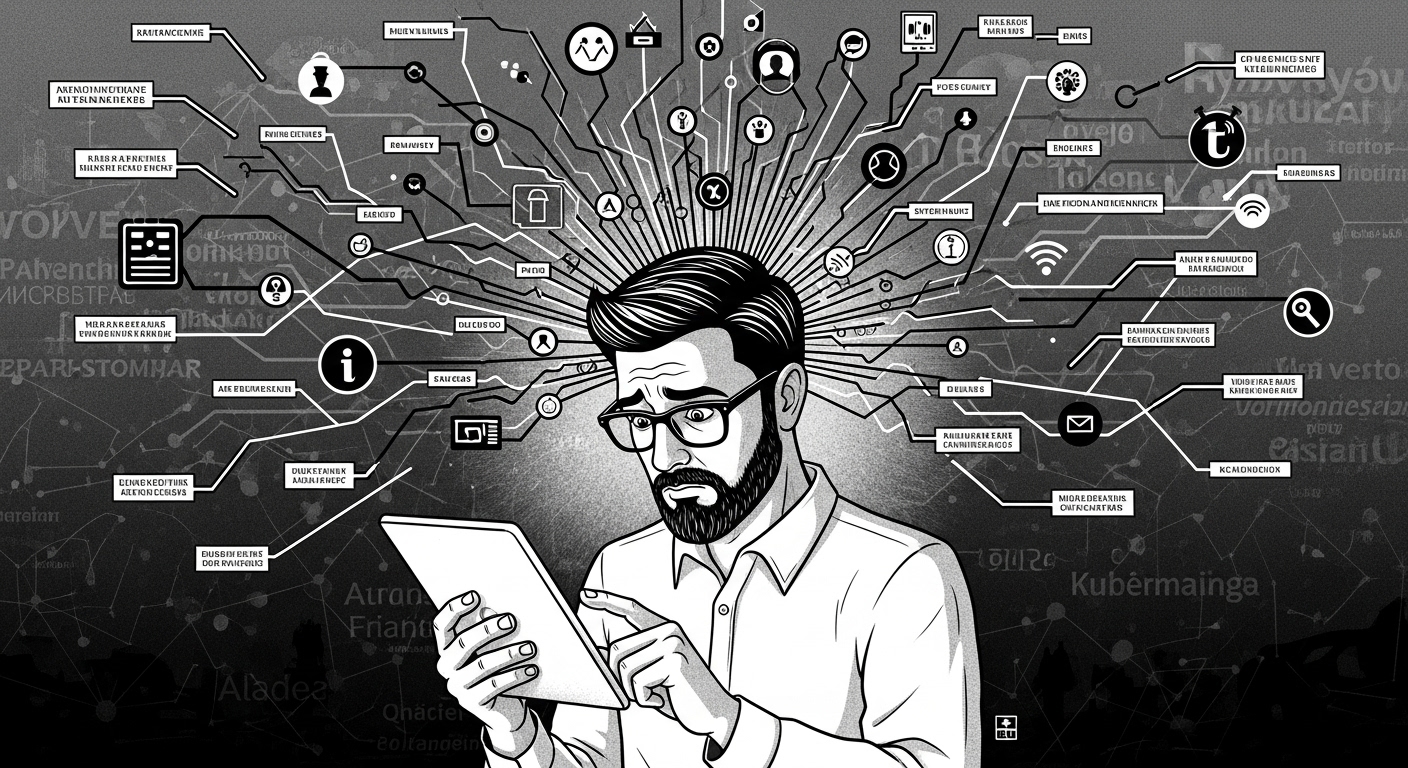
You didn’t ask to be watched. Not when you were a child, not when you opened your first browser, and not when you accepted the cookies without thinking twice. You weren’t aware that something as simple as scrolling past a video, hesitating before clicking a link, or pausing to reread a headline would become valuable data. Not to you, but to someone else.
The attention economy didn’t begin with social media. It began with the realization that human behavior could be predicted, and once it could be predicted, it could be sold. What looked like an open internet, filled with choices, content, tools, and freedom, was actually a growing marketplace of you. Not your money. Not your opinions. Your unconscious attention.
Every click became a signal. Every pause a metric. Every scroll a line of code added to a profile you never agreed to build. That profile didn’t belong to you, it was owned, traded, and optimized by those who understood one truth: attention is the new oil, and human behavior is the new frontier.
Behind every free platform sat a system built not for connection, but for conversion. The goal was never to keep you informed, inspired, or even entertained. The goal was to keep you slightly anxious, slightly numb, and always engaged. That emotional in-between, just stimulated enough to stay online but not clear enough to question, is exactly where the economy thrives.
It’s easy to blame technology. But what’s harder to admit is that we participated. Not out of ignorance, but exhaustion. The design wasn’t aggressive, it was persuasive. It rewarded obedience with dopamine, kept complexity hidden beneath convenience, and slowly rewired our sense of self through curated content that told us who to become.
And so we gave our most sacred human faculty, awareness, to systems that didn’t care about our wellness, our time, or our peace. They cared about patterns. Patterns they could sell. Patterns they could modify. Patterns they could feed to artificial intelligence so that tomorrow’s machines don’t just think, they know exactly what to say to keep us from turning away.
The attention economy is not a theory. It’s the default. And it’s no longer about getting you to buy. It’s about shaping what you believe is worth wanting.
The attention and economy and visibility used to be a choice. Today, it’s the default. Platforms have created a culture where to exist online means to be seen, continuously, rapidly, and often without control. For many, this visibility is tied to validation. The more people watch, like, and engage, the more valuable someone feels. But behind this constant exposure is a cost that isn’t often acknowledged: the erosion of inner privacy.
The moment you begin to shape your thoughts based on how they will be received, your internal compass starts to shift. Instead of asking “What do I think?” or “What do I feel?”, the mind begins to ask “How will this be perceived?” This subtle change alters everything. Ideas become performative. Vulnerability becomes strategic. Even authenticity becomes a kind of branding exercise. It’s not dishonest, but it’s filtered.
Over time, people begin to live with a background sense of being watched. They curate their lives for an invisible audience. They share moments, thoughts, emotions, and experiences not only to express but also to be acknowledged. The private self shrinks. The inner world becomes public property.
This continuous self-disclosure reshapes identity. People become more concerned with appearing interesting than being interested. They look for moments worth posting instead of experiencing moments as they are. Life turns into content. And when everything is content, nothing feels sacred anymore.
There is also a psychological toll. Being seen all the time means being judged all the time — not always directly, but always implicitly. Even in small doses, this can generate a chronic need for reassurance. It leads to second-guessing. It encourages overthinking. It makes people more reactive to approval and more afraid of disapproval, even from strangers.
The result is emotional volatility. A single comment, post, or number can impact a person’s sense of worth. One bad photo, a drop in engagement, or a disagreement online can spark self-doubt disproportionate to the actual situation. This isn’t just sensitivity. It’s a nervous system reacting to overstimulation.
Young people, especially, are growing up without a stable sense of what it means to be unseen. Their identities are formed under the gaze of others. They know how to perform emotions but often struggle to sit with them privately. They can articulate ideas publicly but may not know what they believe when no one is watching. This constant external feedback loop disrupts internal development.
Being visible is not inherently harmful. But when it becomes continuous and compulsive, it creates a dependency. People start to fear invisibility. They fear being forgotten, overlooked, or irrelevant. So they keep sharing. Keep posting. Keep exposing. And in the process, they begin to lose the ability to experience things for themselves.
Privacy is not the same as secrecy. It’s the right to process life without performance. It’s the space where thought turns into belief, where emotion becomes meaning. Without it, people become reactive, disconnected from their own instincts. They may seem expressive, but inwardly, they are uncertain.
The modern world doesn’t ask for your attention. It asks for your availability. And once you’re available all the time, your inner life is no longer your own.
Learn more About Artificial integligance
